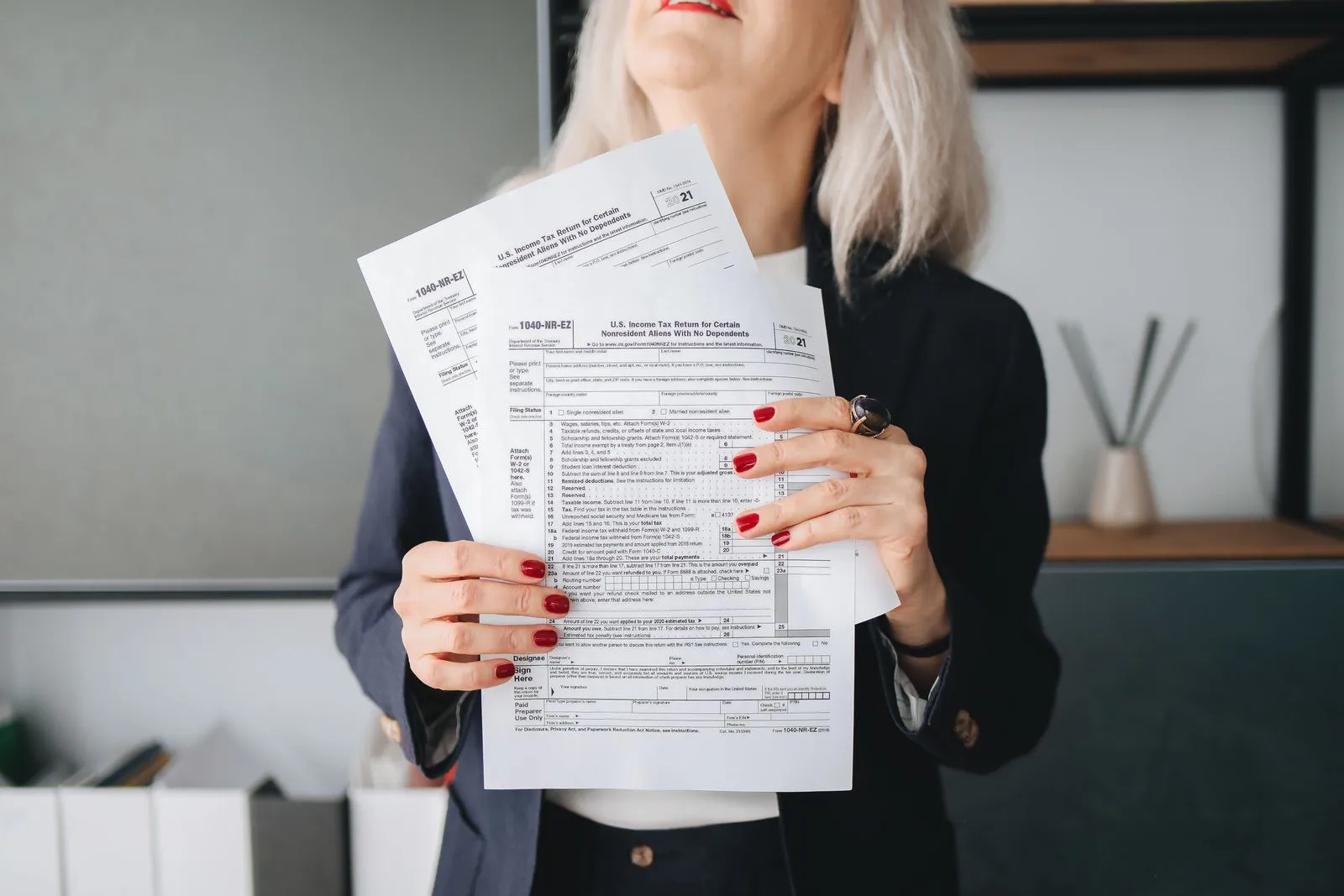
A little preparation can make a tax appointment more focused and help your tax professional spot missing information. You do not need to calculate everything in advance. Gather the records you have, note anything you are unsure about, and bring questions about changes since your last return. Whether you file as an individual, run a business, or both, this checklist can help you arrive ready to discuss your tax situation.
Gather Personal Tax Records
Bring identification details for yourself and any dependents, along with a copy of last year’s tax return if available. Collect income forms such as W-2s, 1099s, and records of other income. If a form has not arrived, write down who issued it and the amount you expect so you can follow up.
Gather records that may relate to deductions or credits, such as mortgage interest statements, property tax bills, charitable donation receipts, education expenses, and childcare costs. Include health insurance information and records of estimated tax payments. The documents that apply depend on your circumstances, so bring relevant records rather than assuming an expense qualifies.
Organize Business Information
Business owners should bring income and expense records for the tax year, including bookkeeping reports, bank and credit card statements, invoices, receipts, and payment processor summaries. Include records of estimated tax payments and any tax forms received for contract or investment income. If your records are incomplete, identify the gaps instead of filling them with guesses.
Also gather information about payroll, contractors, inventory, business loans, and major equipment or other purchases. Bring prior-year business returns and documents showing changes in ownership, business structure, or where you operated. Keep personal and business expenses clearly identified, and flag transactions that may have been used for both.
Make a Question List
Write down significant changes since your last appointment: a new job, marriage or divorce, a move, a new child, college expenses, retirement, or the sale of property or investments. Note the dates and bring supporting paperwork when you have it. These details can affect which forms and records your tax professional needs.
Ask what information is still missing, which documents should be kept for your records, and whether any tax payments or filing steps need attention. Business owners can ask how to document mixed-use expenses, handle equipment purchases, or plan for estimated payments. If you received a notice from a tax agency, bring the full notice and its envelope or response deadline.
Check Before You Go
Use a folder or secure digital file to group documents by income, deductions, payments, and business activity. Make a short list of items you still need to find, and label estimates as estimates. Avoid sending sensitive information through ordinary email unless your tax professional has told you to use a secure method.
Confirm the appointment time, location, and how your preparer wants to receive documents. If you are meeting with Oak City Accounting, ask in advance whether to bring originals, copies, or digital files. A clear set of records and an honest list of open questions give you a practical starting point, even if some paperwork is still missing.
Preparing for a tax appointment is mainly about gathering the records you have and making uncertainties easy to discuss. Use the checklist to organize personal or business documents, then bring a short list of questions and follow-up items. If you need help getting ready, contact a tax professional to ask what to bring.